Master Handyman & Remodeling Services Blog
Roofing and Exterior Repairs: What to Include in a Seasonal Maintenance Plan
A seasonal roof and exterior maintenance plan helps you keep observations, photos and repair questions organized. Learn what to check from the ground, how to record changes, when to request a professional assessment, and what details to share when arranging service.
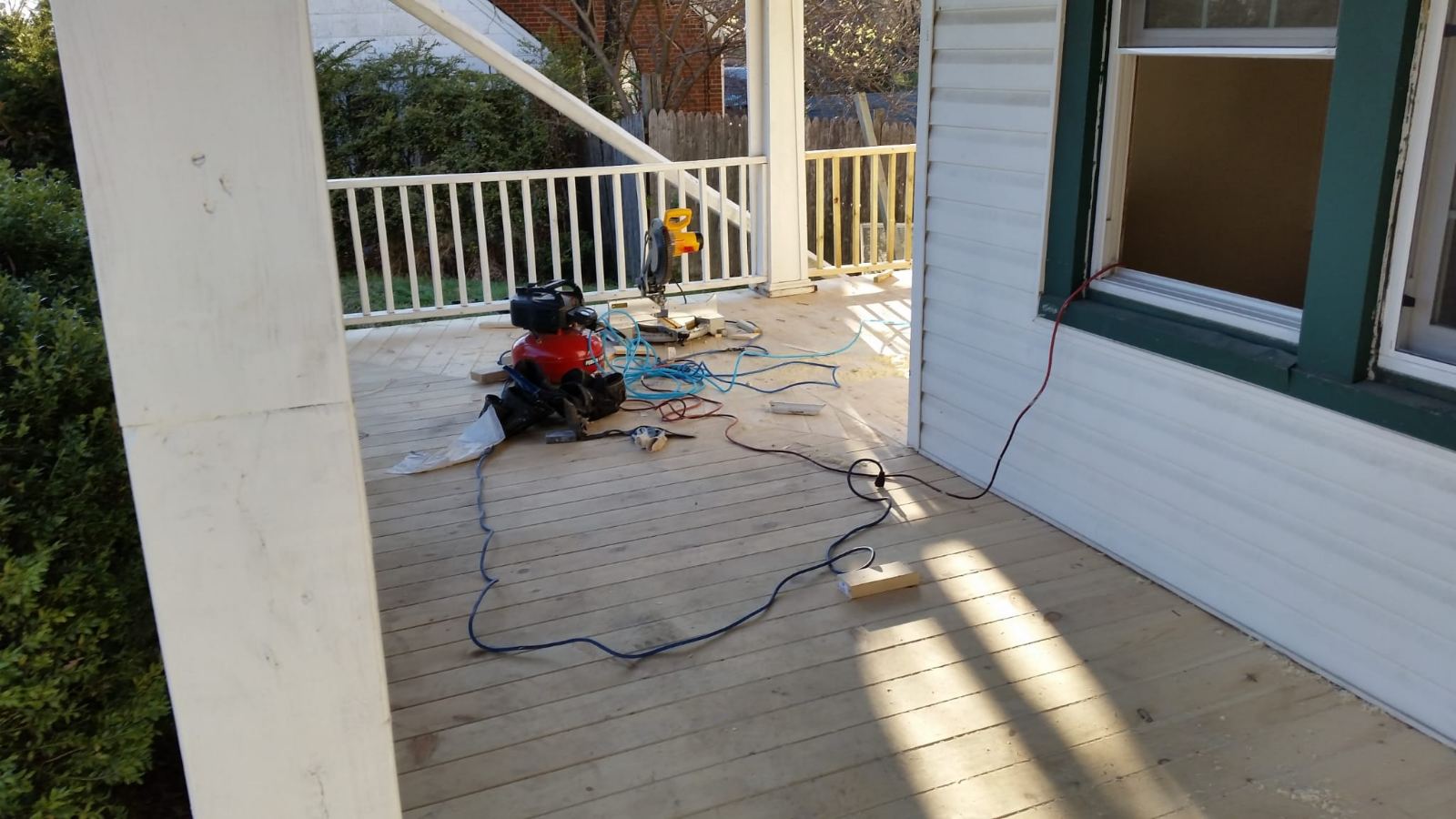
A useful seasonal maintenance plan is a repeatable record, not a do-it-yourself roof inspection. Note visible changes from the ground, record when you noticed them, and take photos only from a safe, accessible position. Include the roof, siding, exterior wood, gutters as visible from the ground, and nearby concrete or patio areas. If something appears damaged or changes over time, share the notes and photos with a qualified service provider and ask what assessment is appropriate. The plan helps you explain the issue; it cannot establish the cause, condition of hidden components, or whether a repair is needed.
Build a simple, repeatable record
Choose a consistent time to review the exterior, such as at the start of a season or after noticeable weather. The point is to compare observations over time, not to follow a rigid schedule or assume that every season creates the same maintenance needs. Write down the date, the areas you could see, and anything that looks different from your previous notes. If you did not check an area, mark it as not observed rather than assuming it is in good condition.
Keep the record in one place, whether that is a notebook or a digital folder. For each observation, note the location in plain language: for example, “left side of the house, near the back corner.” Add a short description of what you can see, when you first noticed it, and whether it appears to have changed. This makes it easier to describe a concern later without guessing at its cause or using technical terms you are unsure about.
- Date and general conditions when you made the observation.
- Area observed, described so you can find it again.
- Visible change or concern, stated without diagnosing it.
- Photo reference, if you took one from a safe position.
- Follow-up question or next step, if one is needed.
Record what you can observe; leave diagnosis and repair decisions to an appropriate assessment.
Review visible roof and exterior areas
From the ground, look for changes that are visible without climbing, reaching, or moving materials. On the roofline, you might notice a change in the appearance of a section, a visibly displaced component, or debris after weather. On siding and exterior wood, note areas that look loose, cracked, or different from earlier observations. These are descriptions to share, not proof of the underlying problem or its cause.
Include other exterior surfaces that matter to your property, such as concrete or patio areas, and note visible changes there as well. Keep observations specific and neutral. “A section looks different than in the last photo” is more useful than “the storm ruined the roof” when the cause has not been assessed. If a view is blocked or you cannot observe an area from the ground, record that limitation instead of trying to get closer.
- Roofline: note visible changes or debris without accessing the roof.
- Siding and exterior wood: describe areas that appear loose or altered.
- Concrete and patio: record visible changes in the surface.
- Gutters or drainage features: note only what is visible from a safe position.
- Unseen areas: mark them as not observed.
Document changes without overinterpreting them
If the change is unclear, your notes can still be useful. Say what you can see and what you cannot determine. For example, a photo may show a mark but not whether it is recent, what caused it, or whether anything behind the visible surface is affected. Avoid describing a suspected cause as fact. If you are concerned, ask a service provider what information would help them assess the area and whether an on-site review is appropriate.
Know when to request an assessment
Consider asking for professional input when you notice a change that appears to be worsening, a visible area that seems displaced or damaged, or a concern you cannot reasonably assess from the ground. A seasonal record does not replace an assessment, and it cannot confirm whether a roof, siding, or exterior wood component is sound. The appropriate next step depends on what is visible, the location, access, and the conditions at the time.
For roofing, siding, exterior wood, concrete, or patio repair questions, you can review the business’s roofing and exterior repair services and share a concise description of what you observed. Include your ZIP code, where the concern is, when you first noticed it, and whether you have dated photos taken from a safe position. The team’s service information says scope, access, and weather conditions are reviewed before exterior work is scheduled; the next step depends on the details of your request.
- Describe the visible concern and its location.
- Say when you first noticed it and whether it appears to have changed.
- Share relevant photos taken from a safe, ground-level position.
- Ask what assessment is appropriate and what information is still needed.
- Confirm the proposed scope and scheduling details before work begins.
Keep the plan useful from season to season
At each review, compare new observations with the previous record, but do not assume that a difference proves damage or that no visible change means there is no hidden issue. If work is discussed, keep the description of the concern separate from the proposed scope. Ask what area will be assessed, what work is being considered, and what conditions could affect access or scheduling. Clear questions help you understand the next step without presuming a diagnosis.
After an assessment or completed repair, add the date and keep any relevant written scope, estimate, or invoice with your notes. Record what was addressed in the provider’s own terms rather than expanding it into claims about other areas. If a new concern appears later, start a separate entry. A tidy record can help you explain the property’s visible history, while the condition of concealed materials and the cause of a change still require appropriate evaluation.
Use the plan to notice, document, and communicate. Do not climb onto a roof or attempt to confirm a suspected defect yourself.
Common questions
How often should I review the exterior?
Choose a repeatable interval that suits your property and review it after noticeable weather if you can do so safely from the ground. There is no single schedule that fits every home or condition. Keep the date of each review so you can compare observations, and seek an assessment if you notice a concerning change rather than waiting for the next routine entry.
What should I send when requesting exterior service?
Share your ZIP code, the location of the visible concern, when you first noticed it, and whether it appears to have changed. Include photos only if they were taken from a safe, accessible position. Explain what you can see without presenting a suspected cause as confirmed. You can use the contact form or available contact options to describe the request and ask what information is needed next.