Master Handyman & Remodeling Services Blog
Planning Handyman Repairs for a Rental Turnover in Fort Washington
A practical way to plan handyman repairs between tenants: document each issue, group tasks by room and trade, flag access and timing constraints, then request a clear scope. For Fort Washington rental owners and managers, this guide helps organize the handoff without assuming every repair can be completed in one visit.
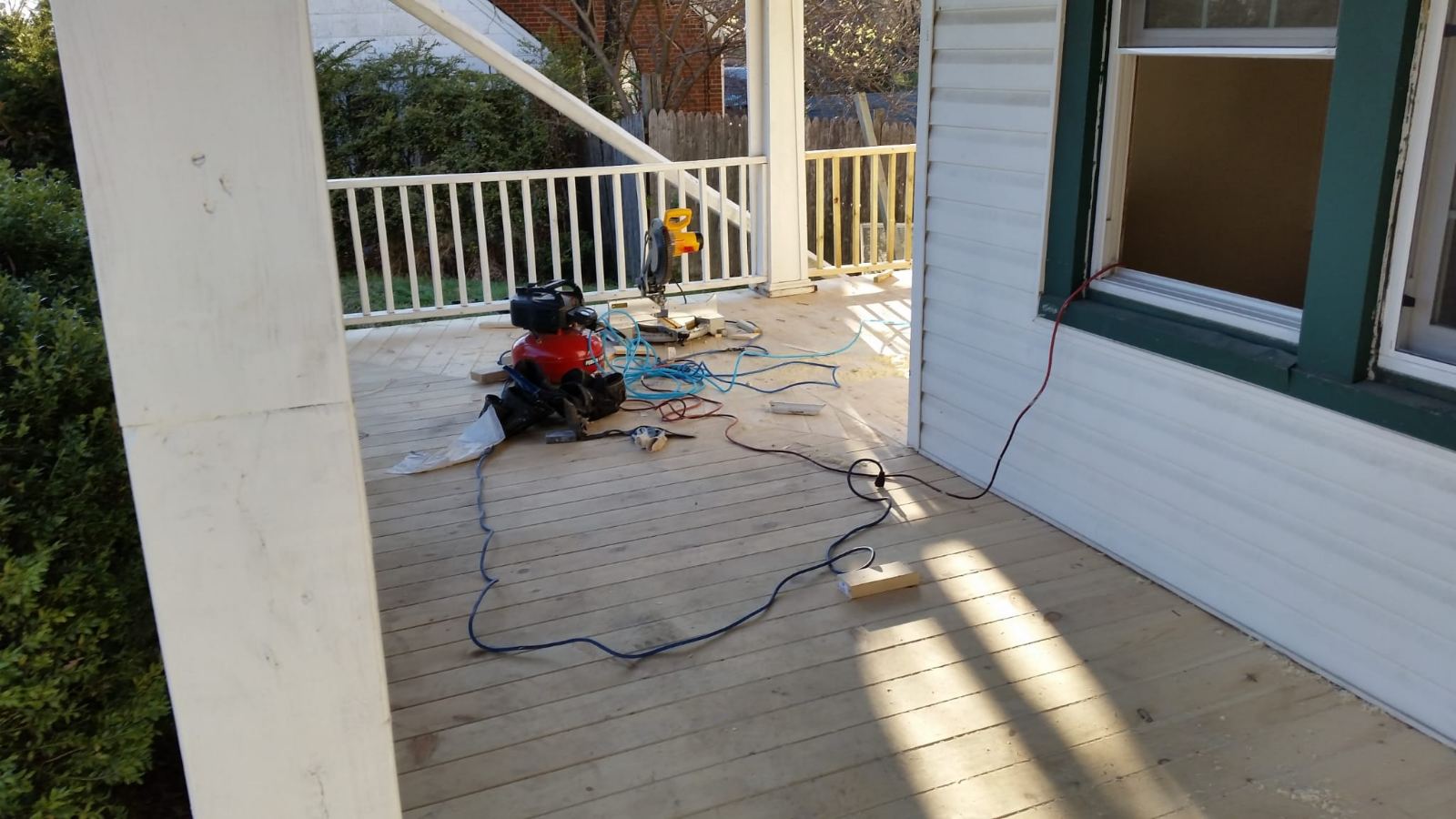
To plan handyman repairs between tenants, make one room-by-room list, record each issue with a photo and short description, and note access, timing, and any known property constraints. Group related tasks, distinguish urgent functional problems from cosmetic touch-ups, then send the complete list together when requesting an estimate. This gives the provider a clearer basis to discuss scope and scheduling; the work and timing will depend on the property and requested repairs.
Start with a room-by-room condition list
Walk through the property after the outgoing tenant has left and write down visible issues by room. Use plain descriptions rather than guesses about causes: “bathroom door does not latch” is more useful than “door frame is warped” if you have not confirmed the reason. Note whether the issue affects use, appearance, or both, and whether it was already present before the turnover.
Take a few clear photos of each concern, including a wider view for location and a closer view of the detail. Add a brief label such as “hallway, lower trim” so images remain understandable when shared. Keep a separate note for items that need further assessment; a photo can show what is visible, but it cannot establish what is behind a wall or identify the cause of a leak.
- Room or area and exact location
- What you observe, without assuming the cause
- Whether the issue affects function, appearance, or both
- Photo reference and any access notes
- Known history, such as a recurring issue or prior repair
Group tasks and set practical priorities
Once the list is complete, group tasks by room and by the type of work they appear to involve. For example, several small drywall and paint touch-ups may be easier to review together than scattered notes sent one at a time. Keep distinct work types visible, though: a sticking door, a loose shelf, and a bathroom tile concern may need different assessment or materials even if they are all in the same unit.
Prioritize based on the tenant handoff and the property’s intended use. First identify issues that prevent normal use of a room or fixture, then list repairs that affect finish or presentation. This is a planning order, not a diagnosis or a promise about what can be completed first. If an issue appears to involve water intrusion, damaged wiring, or another condition beyond ordinary handyman work, describe what you see and ask what kind of assessment is appropriate before adding it to a routine repair list.
| List category | What to record | Why it helps |
|---|---|---|
| Function | What does not open, close, operate, or stay in place | Clarifies how the issue affects use |
| Finish | Visible scuffs, small surface damage, or incomplete touch-ups | Keeps cosmetic work distinct from functional repairs |
| Needs assessment | What is visible and what remains uncertain | Avoids presenting a suspected cause as a confirmed repair |
Prepare the scope before requesting an estimate
Send the full repair list in one message when possible, along with the property ZIP code, photos, and any relevant access details. Mention whether the unit is vacant, when it can be entered, and any dates that matter for your turnover plan. If there are limits on parking, keys, building entry, or occupied areas, include those too. These details help start a more focused conversation, but they do not determine availability or establish a completion date.
Ask the provider to review the items together and explain what can be included in the proposed scope. Clarify which tasks are included, what needs a separate assessment, and whether materials or additional work may change the plan. If you are coordinating multiple trades or vendors, identify who is handling each item so the same repair is not assigned twice and no task is assumed to be covered without confirmation.
- Combine the room-by-room notes and photo references.
- Mark access instructions and the dates that matter to your turnover.
- Separate confirmed repair requests from items needing assessment.
- Request a review of the full list and a clearly described scope.
- Confirm the agreed tasks and access arrangements before scheduling.
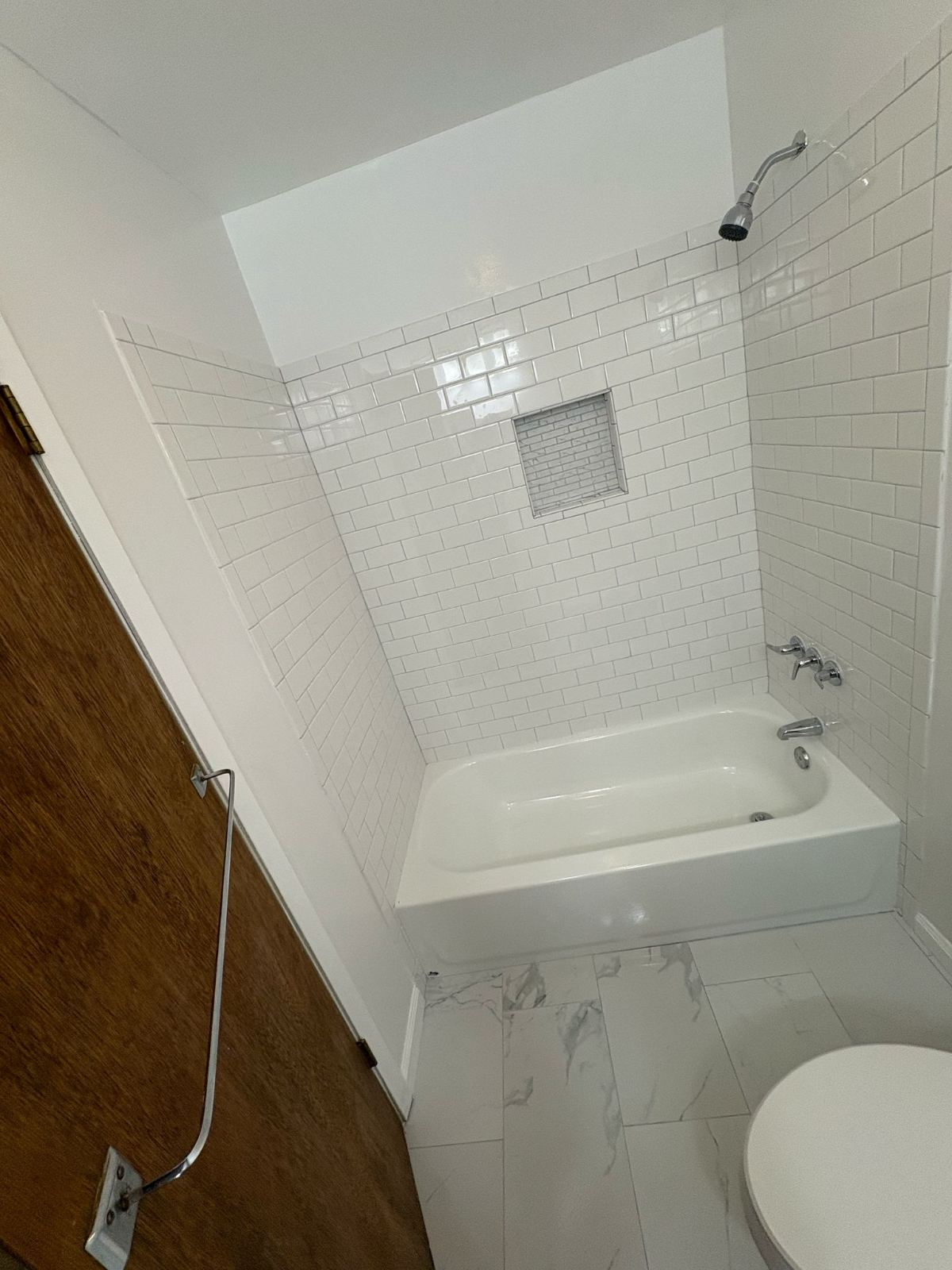
Account for property age and limits of a visual review
For older housing, note the approximate construction year if you know it, especially before requesting work that may disturb painted surfaces. In the United States, homes built before 1978 may contain lead-based paint. Paid renovation, repair, or painting work that disturbs paint in covered pre-1978 housing can be subject to lead-safe requirements, with details depending on the work and circumstances. Do not assume a small-looking task is automatically exempt; ask the provider how the property’s age and the proposed scope affect the work plan.
A turnover walk-through is useful for documenting visible conditions, not for confirming hidden damage, material hazards, or the full cause of a problem. If the property has a history of leaks, repeated repairs, or uncertain surface materials, include that information and ask whether a separate qualified assessment is needed. The right next step can vary with the building, the specific surface, and the work being considered.
A useful turnover request describes the visible issue, the location, access, and what remains uncertain.
Common questions
Should I send each repair separately?
Usually, one organized message is a practical starting point: include the full list, room labels, photos, ZIP code, and access details. That lets the provider review related tasks together and discuss what belongs in the scope. Send a separate update if a new issue appears or if the condition changes; do not assume an earlier estimate includes work that was not described or confirmed.
What if the rental was built before 1978?
Mention the known or approximate age before arranging work that may disturb painted surfaces. Older housing may have lead-based paint, and paid work that disturbs paint can have specific lead-safe requirements depending on the property and scope. Ask the provider how those considerations apply; a visual photo alone cannot determine whether paint contains lead.