Master Handyman & Remodeling Services Blog
Key Questions to Ask Before Installing New Flooring or Tile
Before starting a flooring or tile installation project, it’s essential to ask the right questions to your installer. This guide helps homeowners understand the scope, preparation, materials, and aftercare involved, ensuring a smoother process and better results. Learn what to clarify about subfloor conditions, material handling, project scope, timing, and warranties to make informed decisions and prepare your home effectively.
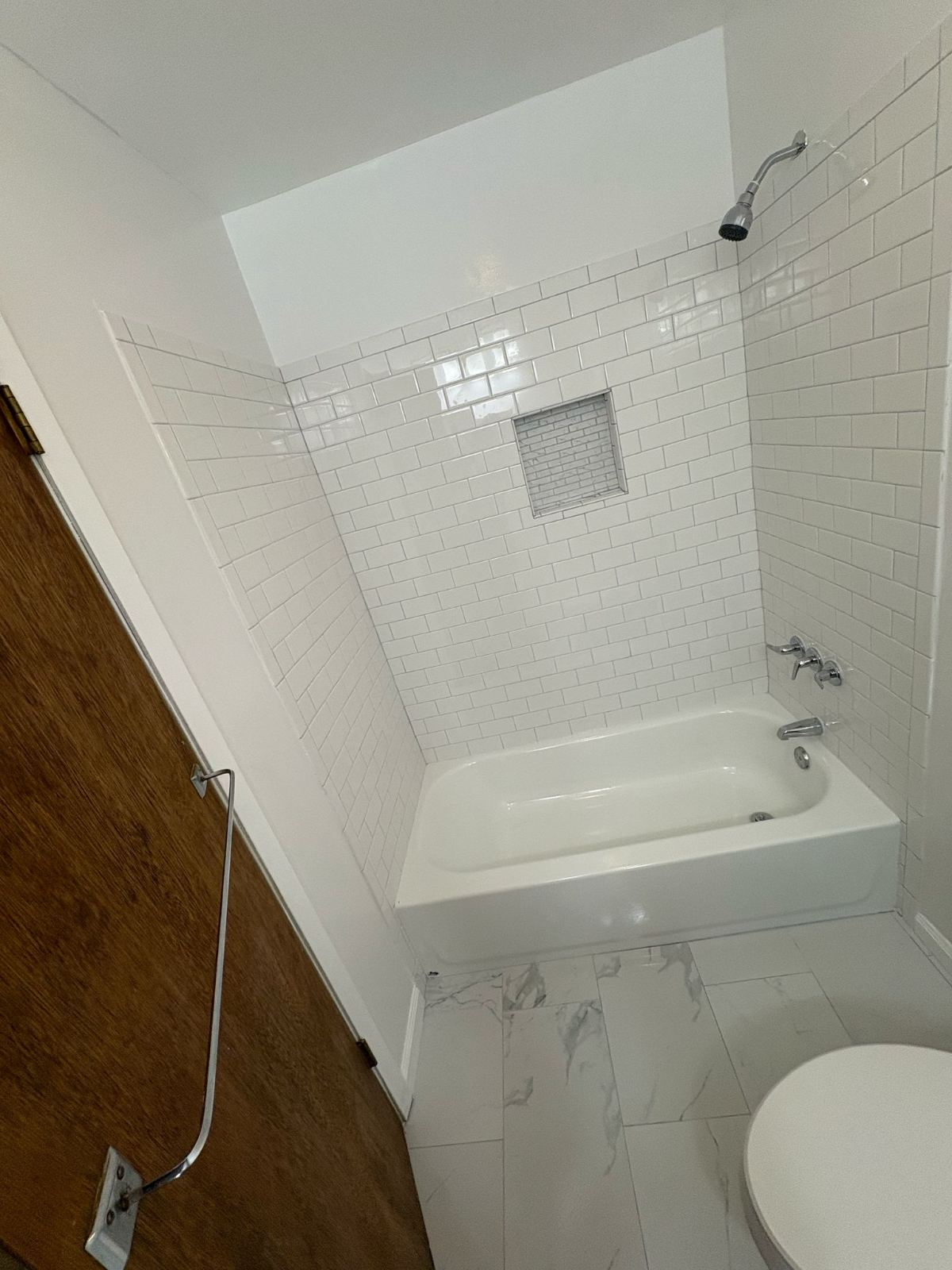
When planning to install new flooring or tile, asking the right questions to your installer is crucial. These questions reveal how thoroughly the installer understands the project and help you compare quotes fairly. Start by discussing how the subfloor will be assessed and prepared, since many flooring issues originate beneath the surface. Inquire about moisture testing and how unevenness will be handled, as well as whether materials need acclimatisation before installation. Clarify who supplies materials, what underlayments and fixings will be used, and how transitions, thresholds, and trims are managed to ensure a clean finish. Confirm the project scope, including removal of old flooring, disposal, furniture moving, and door trimming, so there are no surprises. Ask about the expected timeline, how disruptions will be managed, and what aftercare is recommended to protect your investment. Finally, discuss any workmanship warranties and what they cover. By covering these points, you can make informed decisions and prepare your home for a smoother flooring or tile installation.
Understanding Subfloor Preparation
A solid flooring installation depends heavily on the condition of the subfloor beneath. Before any new flooring or tile goes down, it’s important to ask your installer how they will assess the subfloor. This includes checking for uneven spots, moisture levels, and any damage that could affect the longevity of your floor.
Moisture testing is especially critical in areas with concrete slabs or basements, where excess moisture can cause tiles or wood flooring to warp or fail prematurely. Ask what methods the installer uses for moisture detection and how they plan to address any issues found. Additionally, find out if leveling compounds or repairs are included in the quote or billed separately.
Material Handling and Acclimatisation
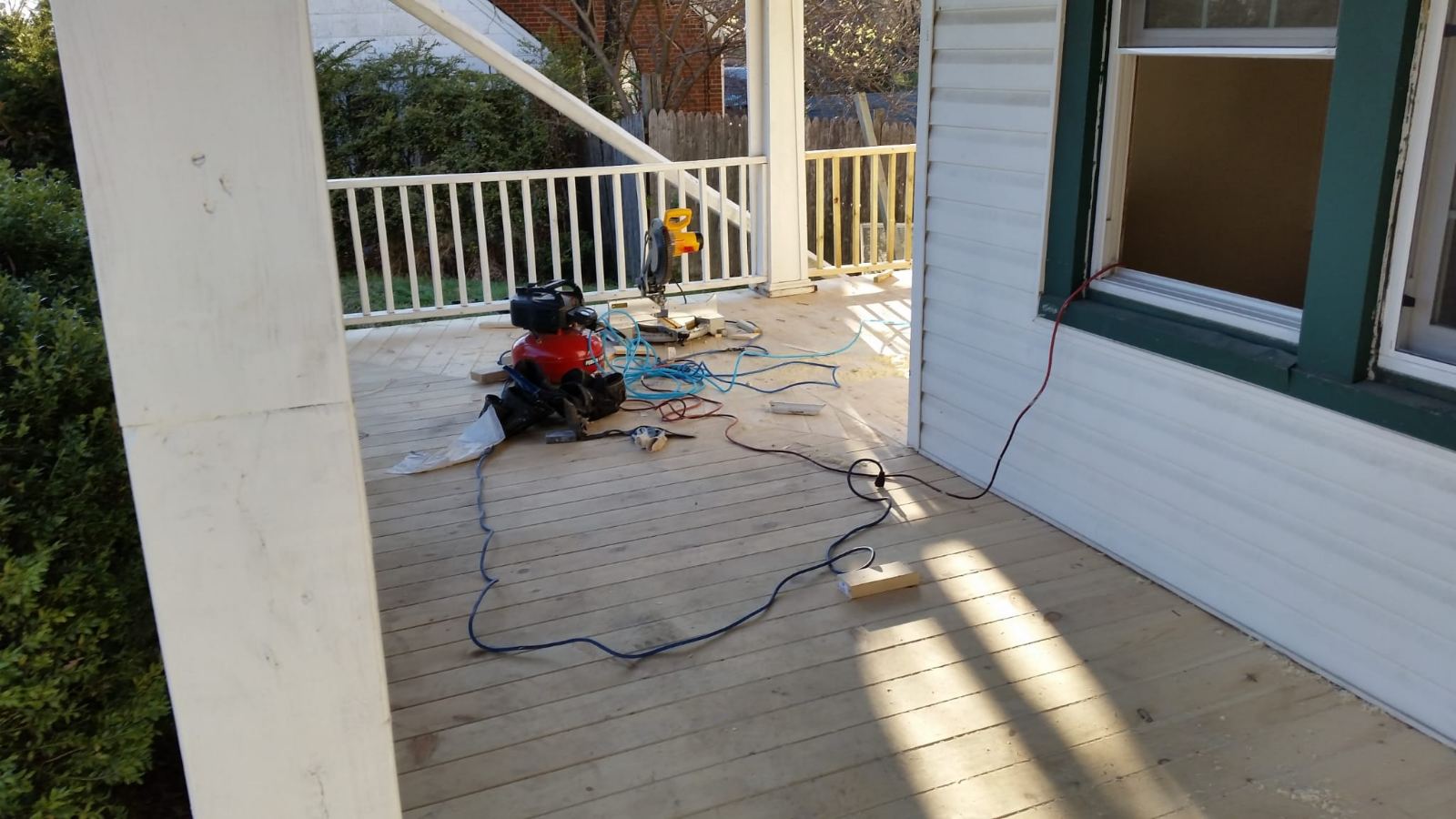
Different flooring materials require specific handling before installation. Some, like hardwood, need time to acclimatise to the room’s temperature and humidity to minimize later movement or gaps. Confirm with your installer whether acclimatisation is part of their process and how long it takes.
Clarify who will supply the flooring materials and underlayments, and ensure these are appropriate for your subfloor and room conditions. Proper underlay and fixings contribute to the durability and comfort of the finished floor. Understanding these details helps avoid unexpected issues after installation.
Clarifying Project Scope and Layout
A clear project scope is essential to avoid surprises during your flooring or tile installation. Ask what is included in the quote regarding removal of existing flooring, disposal of debris, moving furniture, and any necessary door trimming to accommodate new floor height.
Discuss how the installer plans to handle layout details such as tile direction, transitions between rooms, and thresholds. These elements impact the aesthetics and function of your floors. Getting these points in writing ensures that your expectations align with the installer’s plan.
Timing, Aftercare, and Warranties
Understanding the project timeline helps you plan around disruptions. Ask how long the installation will take, when the work can start, and how the installer manages delays such as material backorders. Knowing how long before the floor can be used after installation is also important.
Aftercare instructions vary by material and affect the floor’s longevity. Request guidance on cleaning, maintenance, and any restrictions during the curing period. Finally, inquire about workmanship warranties, what they cover, their duration, and get key points in writing. This helps protect your investment and sets clear expectations.
Common questions
What should I ask about subfloor preparation before installing new flooring?
Ask how the installer will assess the subfloor for unevenness and moisture, what methods they use for moisture testing, and how they plan to address any issues found. Confirm if leveling compounds or repairs are included in the quote or billed separately. Understanding subfloor preparation is key because many flooring problems originate beneath the surface.
How can I ensure the flooring installer handles materials and project scope properly?
Clarify who supplies the materials and underlayments, whether acclimatisation is part of the process, and how transitions, thresholds, and trims will be managed. Also, confirm what the quote includes regarding removal of old flooring, disposal, furniture moving, and door trimming. Clear communication on these points helps avoid surprises and ensures a smooth installation.