Master Handyman & Remodeling Services Blog
Interior Painting Preparation for an Occupied Room
Plan furniture moving, wall repairs, finish choices and room access before an interior painting project begins.
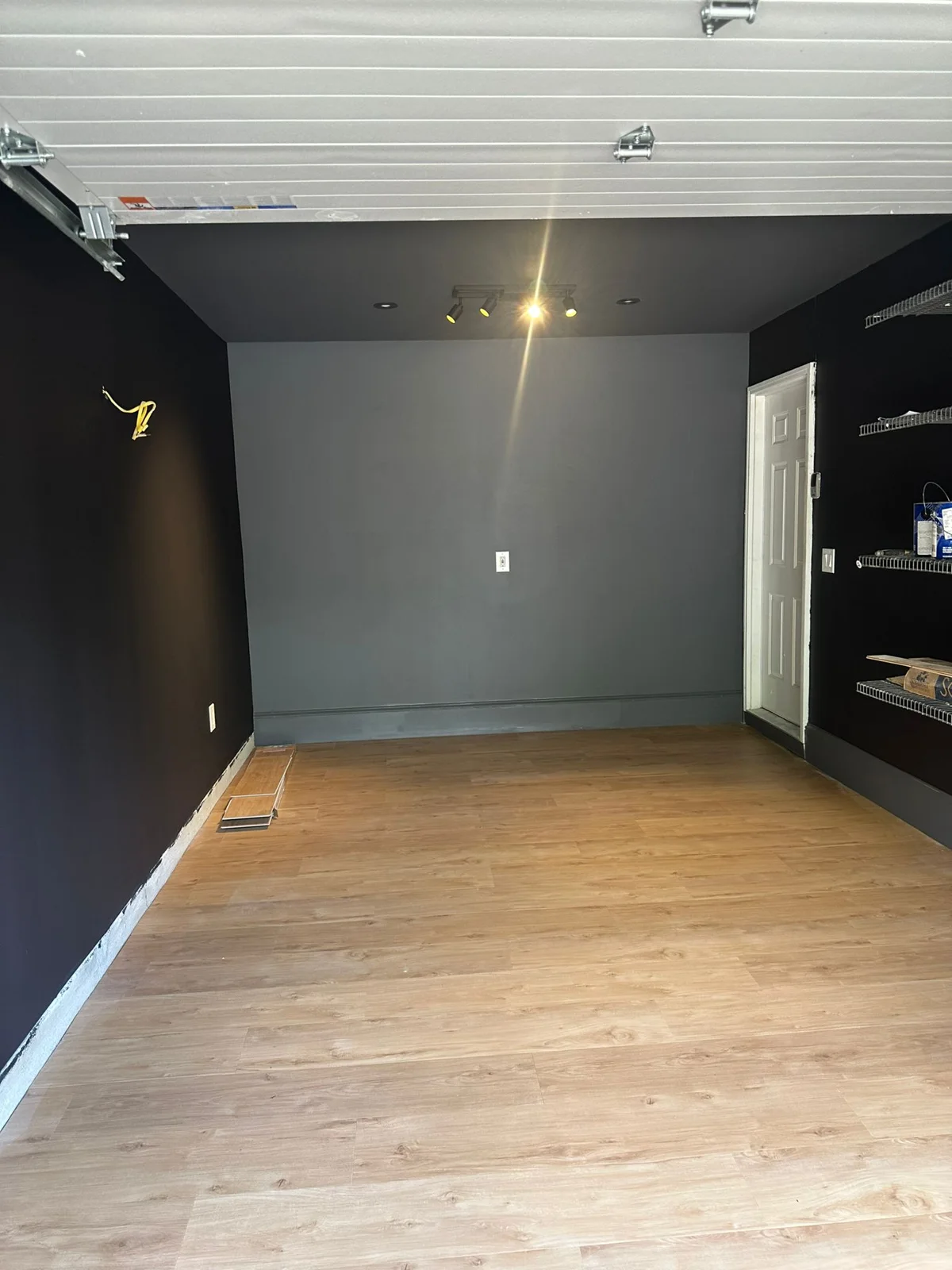
Decide what a successful room looks like
Start with the reason for painting. You may want to refresh a worn room, address repaired drywall or change how the space feels. Identify which surfaces are included: walls, ceiling, trim, doors or a combination. Photograph marks, cracks and damaged corners so preparation can be discussed before color selection takes over the conversation. A project that includes surface repairs has different steps from a simple color change. Clear boundaries help you compare proposals and avoid discovering overlooked surfaces after work has started. Look at the room in daylight and under its normal lamps. Repairs that seem unobtrusive in one light may be more visible when light falls across the wall.
Agree on moving and protection responsibilities
An occupied room needs space for safe access and surface preparation. Discuss who will move furniture, remove wall decor and clear shelves. Identify fragile belongings, heavy pieces and items that cannot easily leave the room. Plan where they will go and which nearby floors need protection. Personal items should be cleared according to the agreed instructions before work begins. Keep the path between the entrance and the room practical, and explain if children, pets or household members need to pass through the area.
Evaluate the surface before choosing coverage
Paint does not repair loose drywall, active moisture or a failing substrate. Explain recurring stains or cracks and any repair history so the cause can be considered. Different textures and old repairs may affect how smooth the finished surface can look. Our drywall and painting service can help connect preparation with the final finish. Ask which repairs are included, how they will be finished and what appearance can reasonably be expected under the room's normal lighting.
Select finishes in the room's light
View sample colors at different times of day and against the flooring, furniture and adjacent rooms. Finish sheen affects both appearance and how surface variations show. Discuss the selected product, suitability for the room and care instructions rather than choosing by color alone. Keep a record of the final product and color information for future maintenance. Ask when the room can be occupied and when surfaces can be cleaned or covered, based on the actual materials used and the project conditions.
Keep the scope easy to understand
List the rooms and surfaces, desired colors and repairs you want reviewed. Mark features that should remain untouched, such as particular wood trim or existing finishes. If doors or baseboards need repair, consider related carpentry work before the paint stage. Confirm access arrangements and how changes will be communicated. Call Master Handyman & Remodeling Services at (703) 843-1355 to discuss an interior painting plan that accounts for preparation, protection and the way your household uses the room.