Master Handyman & Remodeling Services Blog
Fence Repair or Replacement: Plan Around the Whole Run
Assess fence repair options with attention to posts, gates, adjoining sections, access and property boundaries.
Identify the problem without disturbing the fence
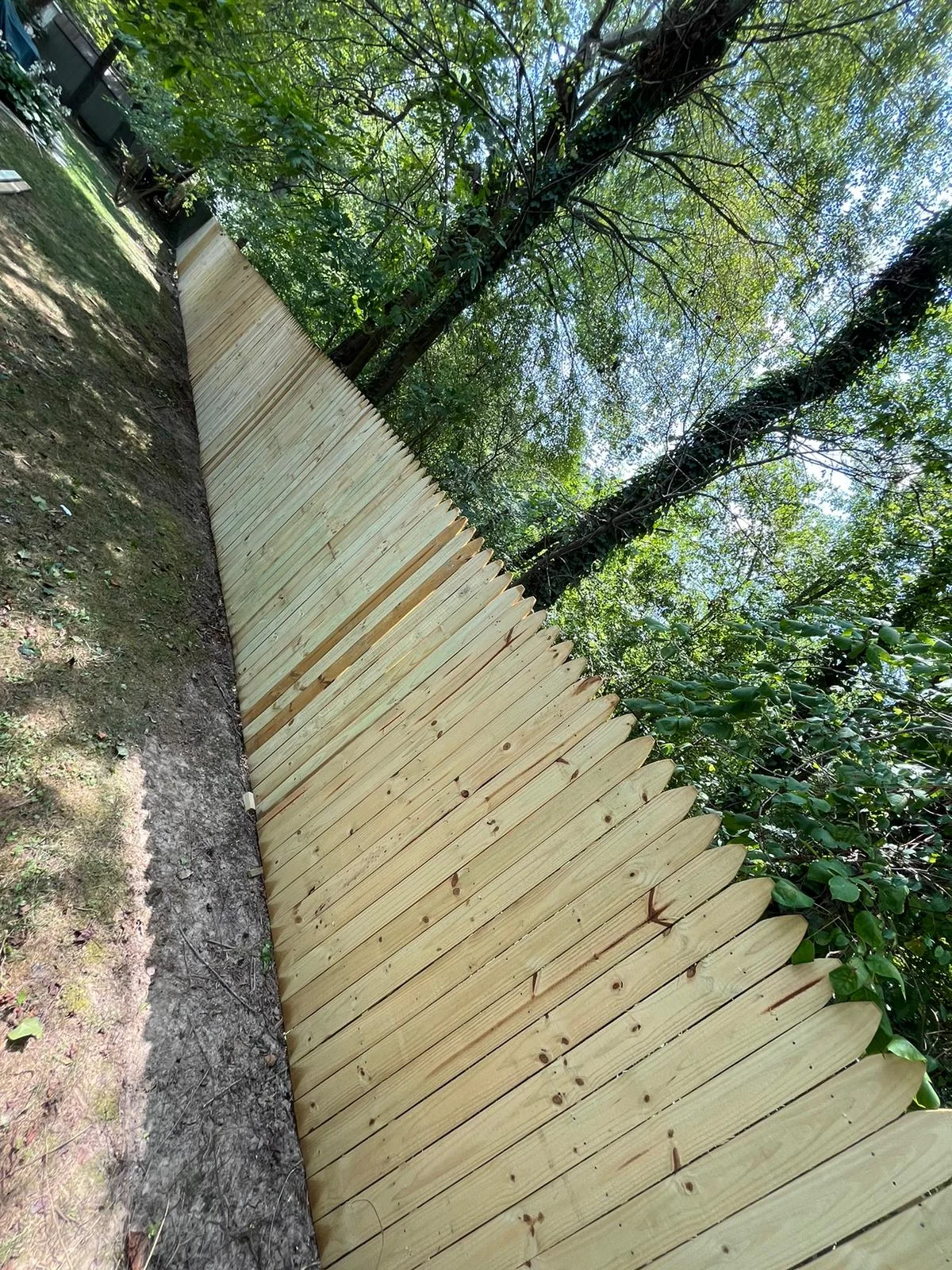
Walk the accessible side of the fence and note leaning sections, damaged boards, gate problems and areas that contact soil or vegetation. Photograph the whole run as well as individual defects. Do not push on unstable panels or attempt to straighten them as a condition check. Keep children and pets away from unsafe sections. A fence can have a small visible defect or a broader support problem, so it helps to describe when the issue appeared and whether nearby sections have also changed. Explain whether a gate is used for daily access or only occasionally. Its role in moving bins, bicycles or yard equipment can influence the repair or replacement discussion.
Consider posts, panels and gates together
Replacing a few boards addresses a different scope from correcting deteriorated supports or an unreliable gate opening. Ask how a proposed repair will connect with neighboring sections and whether matching components are available. Gate operation is influenced by the surrounding assembly, not just the latch. Our deck and fence service can discuss the observed condition and what evaluation is needed. A useful assessment explains whether a local repair can meet your goal and where the existing condition limits that approach.
Clarify boundaries before changing the layout
An existing fence does not by itself establish the legal property boundary. Have appropriate property information available and resolve boundary questions through the proper sources before moving or extending a fence. Discuss shared ownership or adjoining access with the relevant parties. Local rules, association requirements and utility-location procedures may affect the project. Confirm who will handle each required step for the exact location. These details belong early in planning, especially when a new gate, changed height or different alignment is being considered.
Choose materials for use and maintenance
Privacy, appearance, pets and yard access may lead to different choices. Compare the care requirements and appearance of the specific materials under consideration. Think about a gate opening wide enough for the equipment that normally enters the yard, then have dimensions and suitability confirmed during assessment. Partial replacement may remain visibly different from weathered sections. If a finish is planned, coordinate it with the selected material and preparation requirements. Identify landscaping, stored belongings and narrow routes that could affect material handling along the fence.
Prepare a clear request for the project
Share wide photos, approximate fence length and a description of what you want to improve. Include gate dimensions if known, property information and any applicable association guidance. Ask the scope to identify removal, disposal, supports, panels, gates and finishing work rather than treating the fence as one undifferentiated item. Related carpentry work can be discussed where the fence meets existing structures. Call Master Handyman & Remodeling Services at (703) 843-1355 to discuss fence repair or replacement for your property.