Master Handyman & Remodeling Services Blog
Comparing Wood and Composite Deck Materials for Long-Term Durability
Choosing the right decking material involves balancing upfront cost, maintenance, durability, and appearance. This guide compares wood and composite decking to help homeowners in Northern Virginia, Maryland, and Washington, DC decide which option best fits their long-term needs and lifestyle.
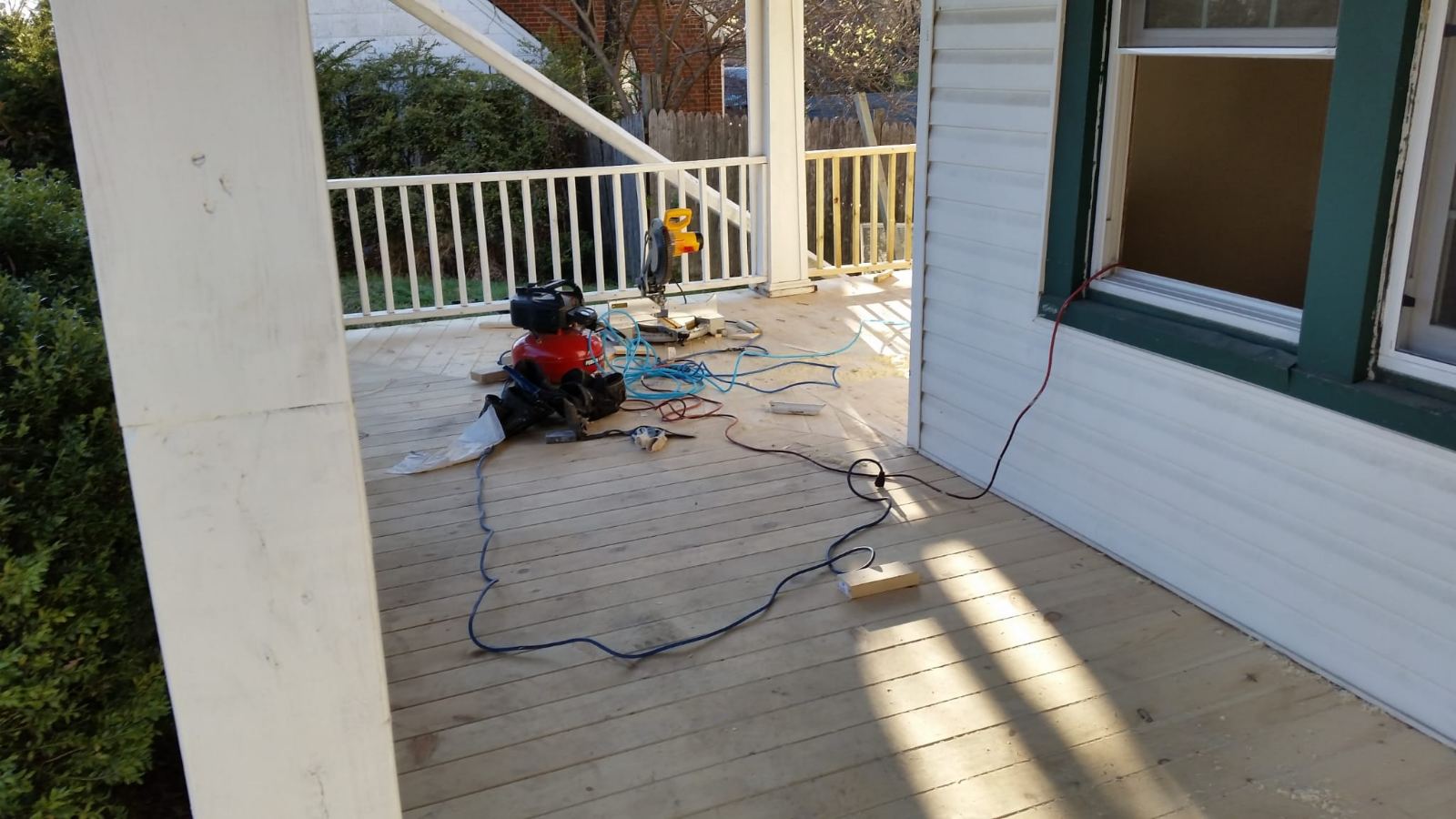
Selecting the right decking material is a crucial decision that impacts your outdoor living space's look, upkeep, and longevity. Wood decking, typically pressure-treated pine or cedar, offers a natural aesthetic and lower initial cost but requires regular maintenance such as staining and sealing every few years. Composite decking, made from recycled plastics and wood fibers with a protective polymer cap, demands less upkeep and resists rot and insects but comes with a higher upfront price. Over a 25-year horizon, composite decking often balances out or even saves money compared to wood when factoring in maintenance and replacement costs. However, composite boards can get hotter in direct sunlight and may show scratches that cannot be sanded out. Wood decks may develop splinters and require refinishing but can be repaired and refinished multiple times. Your choice depends on your budget timeline, willingness to maintain, aesthetic preference, and local climate. Consulting with a professional can help assess your property and recommend the best decking solution tailored to your needs.
Upfront Cost and Long-Term Value
Wood decking, particularly pressure-treated pine, is often the most affordable option at the start, with material costs ranging from $3 to $12 per square foot depending on the wood type. Installation labor costs are similar for both wood and composite decks. Composite decking can cost two to three times more initially due to its engineered materials and manufacturing process, which includes recycled plastics and wood fibers capped with a polymer shell.
Despite the higher upfront cost, composite decking typically requires minimal maintenance, saving money over time. Wood decks demand regular staining, sealing, and occasional board replacements, which add up significantly over a 25-year lifespan. When considering total cost of ownership, including installation, upkeep, and repairs, mid-tier composite decking often becomes more cost-effective after 10 to 14 years compared to pressure-treated wood.
Maintenance Requirements and Durability
Wood decks require cleaning and refinishing every one to three years to prevent rot, insect damage, and surface degradation. Pressure-treated wood is vulnerable to moisture and insect damage without proper sealing, and boards typically need replacement after 15 to 18 years. Cedar and other naturally durable woods last longer but still need upkeep to maintain their appearance and structural integrity.
Composite decking significantly reduces maintenance efforts. Annual cleaning with mild detergent and a soft brush is usually sufficient. The polymer cap resists staining, fading, and rot, and manufacturers often provide warranties of 25 years or more. However, composite boards can scratch and cannot be sanded back to new, and the ends of cut boards may be susceptible to moisture infiltration if not properly sealed.
Appearance and Comfort Considerations
Wood decking offers a warm, natural look with unique grain patterns and colors that many homeowners appreciate. Over time, wood weathers to a silver-gray patina if left untreated, which some find desirable. However, wood can develop splinters and surface cracks as it ages, requiring periodic refinishing to maintain safety and aesthetics.
Composite decking provides a consistent, uniform appearance with wood-grain textures and a range of colors. It resists splintering and maintains its shape better than wood. One drawback is that composite boards can become hot under direct sunlight, especially darker colors, which may affect comfort for bare feet during summer months. Choosing lighter colors or shaded locations can mitigate this issue.
Environmental Impact and Material Composition
Wood decking is a renewable resource but involves harvesting trees and often requires chemical treatments to resist decay and insects. These treatments can raise environmental concerns and require careful handling.
Composite decking typically contains a high percentage of recycled content, diverting plastics and wood fibers from landfills. The manufacturing process uses polymers to create a durable cap that extends the product’s life, reducing waste. While composite boards are not biodegradable, their longevity and low maintenance can provide environmental benefits over time by reducing the need for replacement and chemical treatments.
Common questions
What factors should I consider when choosing between wood and composite decking?
Consider your budget, how much time and effort you want to spend on maintenance, the desired appearance, climate conditions, and how long you plan to keep the deck. Wood is more affordable upfront but requires regular upkeep and may need board replacements. Composite costs more initially but offers low maintenance and longer lifespan. Also think about comfort, as composite boards can get hot in the sun, and environmental preferences regarding materials.
How does the lifespan of wood decking compare to composite decking?
Pressure-treated wood decking typically lasts 15 to 25 years, depending on maintenance and climate, with surface boards often needing replacement after 15 to 18 years. Cedar and other naturally durable woods can last 20 to 30 years with proper care. Composite decking generally lasts 25 to 50 years, backed by warranties, thanks to its rot-resistant materials and protective caps, though it can show wear like scratches over time.