Master Handyman & Remodeling Services Blog
How to Choose the Best Tile Material for Your Flooring Project
Selecting the right tile material for your flooring project involves understanding the differences between ceramic, porcelain, and natural stone tiles. This guide compares durability, maintenance, cost, and style to help homeowners make an informed decision suited to their specific needs and spaces.

Choosing the best tile material for your flooring project depends on several factors including durability, water resistance, maintenance requirements, style preferences, and budget. Ceramic, porcelain, and natural stone tiles each have distinct characteristics that make them suitable for different applications. Ceramic tiles are generally more affordable and easier to install but are less dense and more porous, making them better for light-traffic, dry areas. Porcelain tiles offer greater durability and water resistance, making them ideal for high-moisture spaces and heavy-traffic floors. Natural stone tiles provide unique beauty and texture but require more maintenance and sealing to protect against moisture and stains. Understanding these differences and how they align with your project’s needs will help you select the tile material that best balances performance, aesthetics, and cost. Consulting with a professional installer can also ensure proper preparation and installation for long-lasting results.
Understanding Tile Material Types
Tile flooring primarily comes in three material families: ceramic, porcelain, and natural stone. Ceramic tiles are made from clay fired at lower temperatures, resulting in a softer, more porous tile. This makes ceramic tiles affordable and easier to cut, which is why they are popular for DIY projects and interior walls or floors with light foot traffic. However, their porosity means they absorb more water and are more prone to chipping compared to porcelain.
Porcelain tiles are a subtype of ceramic but fired at higher temperatures using denser clay. This process produces a tile with very low water absorption (0.5% or less), high hardness, and excellent durability. Porcelain is suitable for wet areas like bathrooms and kitchens, as well as outdoor applications in freeze-thaw climates. Its density also makes it more resistant to stains and damage, although it is harder to cut and typically costs more than ceramic.
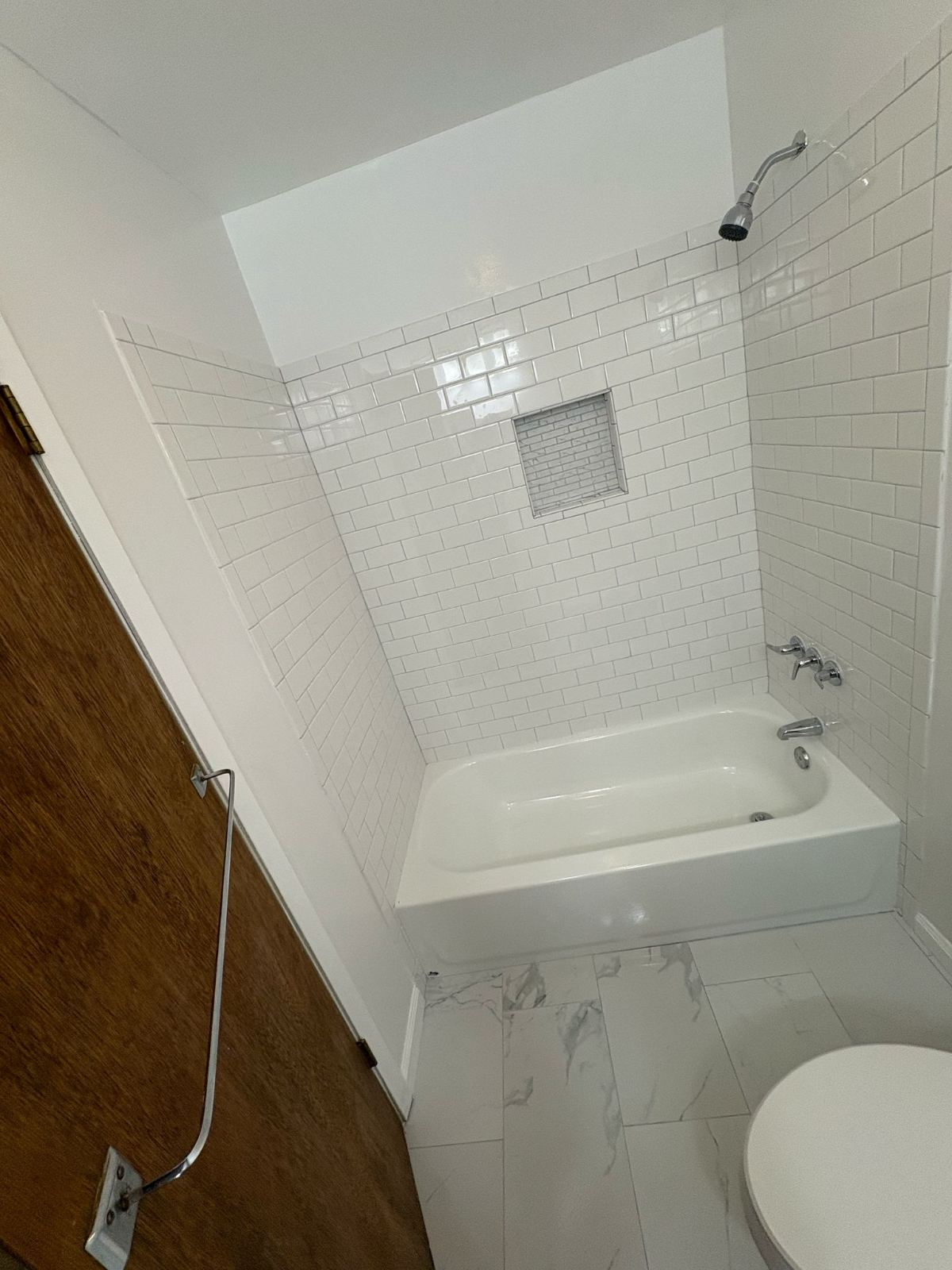
Natural Stone Tiles: Beauty and Maintenance
Natural stone tiles, including marble, granite, slate, travertine, and limestone, offer a unique, elegant appearance that manufactured tiles cannot replicate. Each stone tile is distinct in color, veining, and texture, adding character to your floors. However, natural stone is porous and requires sealing at installation and periodic resealing to protect against moisture and stains.
Maintenance for natural stone is more intensive than ceramic or porcelain. It requires pH-neutral cleaners and careful moisture management to avoid etching or damage, especially in high-moisture areas like bathrooms. The cost of natural stone tiles is generally higher, both in material and installation, due to the need for skilled handling and sealing.
Durability and Performance Ratings
When comparing tile materials, performance ratings such as the PEI (Porcelain Enamel Institute) abrasion rating and water absorption percentage are useful indicators. The PEI rating ranges from I to V and measures surface wear resistance. For residential floors, a PEI rating of III or higher is recommended to withstand daily foot traffic. Ceramic tiles often fall in the lower PEI classes, while porcelain tiles commonly achieve higher ratings, making them more durable for floors.
Water absorption rates influence a tile’s suitability for wet or freeze-prone environments. Porcelain’s absorption rate of 0.5% or less makes it nearly waterproof, ideal for bathrooms, kitchens, and outdoor use. Ceramic tiles absorb more water and are better suited for dry indoor areas. Natural stone absorption varies by type but generally requires sealing to mitigate porosity.
Making Your Decision: Factors to Consider
To choose the best tile material, consider the room’s moisture level, foot traffic, maintenance willingness, aesthetic goals, and budget. Porcelain is the most versatile choice for durability and moisture resistance, fitting most flooring needs including wet and high-traffic areas. Ceramic can be a cost-effective option for walls and floors in dry, low-traffic spaces. Natural stone offers distinctive beauty for statement areas but demands more upkeep and investment.
Also, think about installation requirements. Porcelain tiles need a flat, stable substrate and specialized cutting tools, while ceramic is more forgiving and easier to install. Natural stone installation requires experienced professionals to handle sealing and grout correctly. Starting with a consultation can help clarify these details and ensure your project meets expectations.
Common questions
What are the key differences between ceramic and porcelain tiles?
Ceramic tiles are made from clay fired at lower temperatures, making them softer, more porous, and easier to cut. They are best for light-traffic, dry indoor areas. Porcelain tiles are fired at higher temperatures with denser clay, resulting in a harder, less porous tile that resists water and wear better. Porcelain is suitable for wet areas, high-traffic floors, and outdoor use, though it is more expensive and harder to cut.
How does natural stone tile compare in maintenance to ceramic and porcelain?
Natural stone tiles require more maintenance than ceramic or porcelain. They need sealing upon installation and periodic resealing to protect against moisture and stains. Cleaning must be done with pH-neutral products to avoid damage. In contrast, ceramic and porcelain tiles have lower maintenance needs, with porcelain being virtually maintenance-free aside from regular cleaning.