Master Handyman & Remodeling Services Blog
Checklist for Evaluating Roof and Exterior Repair Estimates
Learn how to effectively compare roofing and exterior repair estimates with a practical checklist. Understand key elements such as scope, materials, tear-off, decking, permits, warranties, and cleanup to prepare informed questions and make better decisions before hiring a contractor.
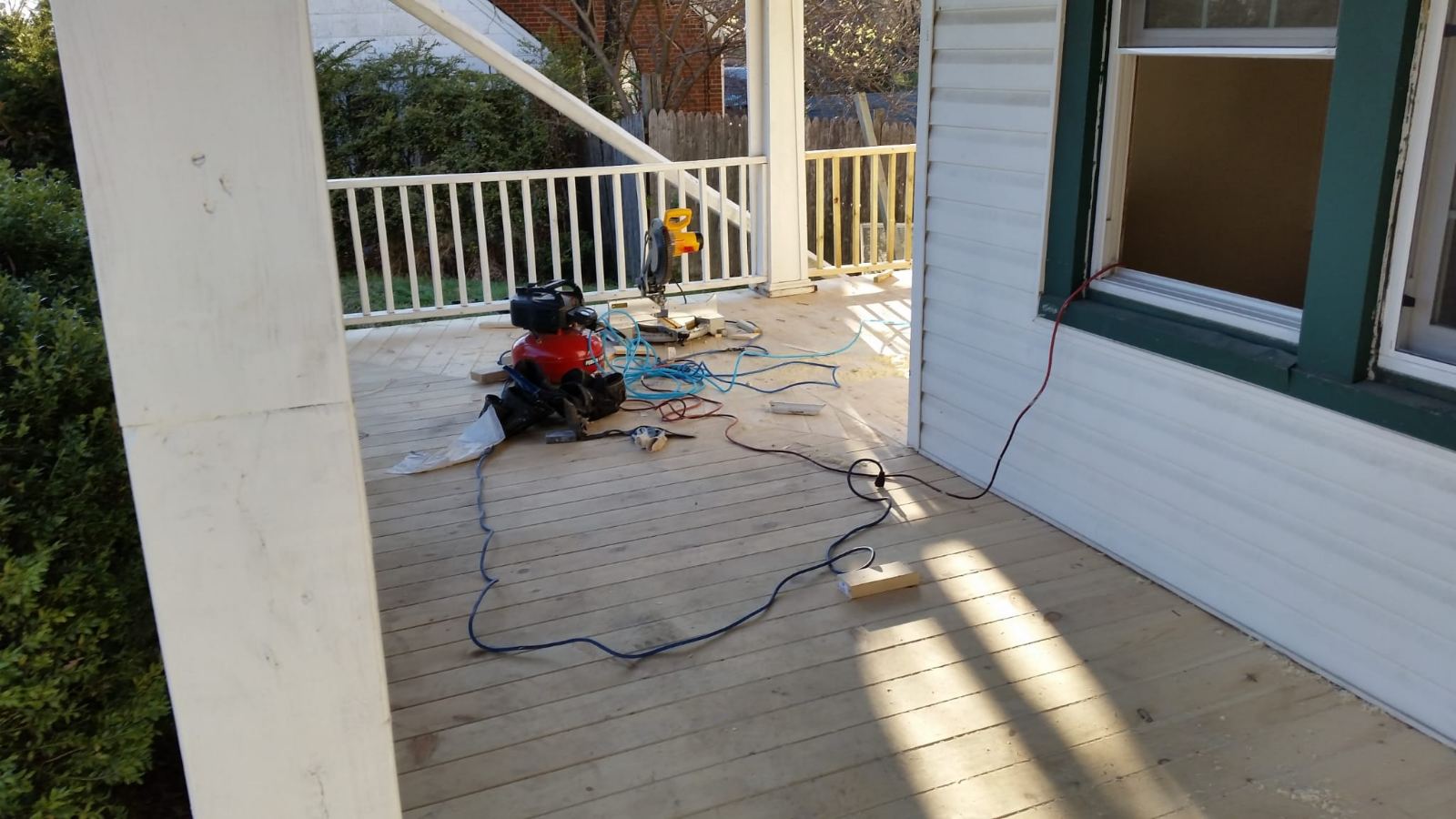
When considering roofing and exterior repairs, comparing estimates can be challenging without a clear understanding of what to look for. This checklist helps homeowners review key components of roofing and exterior repair proposals so they can ask the right questions and prepare for informed decisions. It covers the project scope, materials, tear-off details, decking inspection, permits, warranties, cleanup, and payment terms. Having this information in writing clarifies what is included and what remains uncertain, helping you avoid surprises and better understand differences between contractors. Before signing any contract, ensure you have a complete written estimate that specifies the work, materials, allowances, and responsibilities. This approach supports a smoother project and helps align expectations between you and your contractor.
Understanding the Project Scope and Proposal Details
Start by confirming the contractor or company name is clearly stated on the proposal. It should identify the property or project location the estimate applies to, ensuring there is no confusion about which job is being quoted. If multiple options or packages are included, the selected choice should be clearly marked with the total price tied to it. Dates such as proposal issuance, expiration, and acceptance should be easy to find and understand. Sometimes proposals reference additional documents or online portals; make sure you have the complete estimate before evaluating the scope. A clear and detailed project description helps you compare proposals accurately and ensures you know exactly what work is planned.
Next, review whether the estimate specifies if the existing shingles or siding will be removed and how many layers are included in the tear-off price. Some contractors may include removal of old underlayment or other materials, while others may not. It’s important to understand what the contractor promises to remove before installing the new system. Knowing this helps you avoid unexpected costs or incomplete work. If the proposal uses terms like “roof replacement” or “complete replacement,” ask for clarification about what exactly will be taken off and replaced.
Materials, Measurements, and Decking Inspection
Check if the estimate identifies the roof size, often given in squares or square feet, and whether the quantities of materials are clearly stated. This information should correspond to the selected scope of work and not optional upgrades unless those are clearly separated. Knowing the unit prices for materials and labor helps you understand how changes in quantities could affect the final cost. Different contractors may use various formats, but the key is that you understand what the price covers and what might change later.
The condition of the roof decking is critical. The estimate should explain how the decking will be inspected after the tear-off and whether any repairs or replacements are included in the price. If additional plywood, OSB, or decking work is needed, the proposal should state the unit price and approval process. Since hidden damage often becomes visible only after removing old materials, having a clear allowance and change-order procedure helps avoid surprises and keeps the project on track.
Underlayment, Flashing, Ventilation, and Permits
Review what type of underlayment or secondary water protection is specified, including where it will be installed, such as eaves, valleys, or roof penetrations. Some proposals may promise ice-and-water protection but lack details on coverage extent. Record what is included and ask about any unclear areas. Similarly, check if drip edge, flashing around chimneys, walls, skylights, and pipe boots are addressed. Some contractors include new flashing and pipe boots, while others may only reuse existing ones or exclude them entirely. Be precise in comparing these items as they affect durability and cost.
Ventilation is another important aspect. The estimate should specify ridge vents, box vents, powered vents, or intake ventilation and whether existing vents will be reused or replaced. Changes to the ventilation system can impact roof performance and energy efficiency, so understanding the proposed work is essential. Finally, permits and inspections should be clearly assigned in the proposal. Know who is responsible for obtaining and paying for permits, arranging inspections, and handling any corrections. This clarity avoids delays and ensures compliance with local regulations.
Cleanup, Payment Terms, Warranties, and Next Steps
A good estimate includes details about cleanup, debris removal, and access during the project. Confirm whether these services are included or if you need to arrange any additional protection for landscaping or property. Temporary protection during work pauses and final cleanup contribute to a smooth experience and minimize disruption.
Payment terms should be clearly outlined, including any deposits, progress payments, and final payment schedules. Understanding these terms helps you plan your budget and avoid misunderstandings. Written warranties covering materials and workmanship should be part of the contract, with exclusions clearly stated. Ask about warranty duration and what is covered to compare offers effectively.
Before deciding, prepare a list of questions based on this checklist to discuss with your contractor. Clarify any vague points and confirm the written scope matches your expectations. This preparation helps you make an informed choice and sets the foundation for a successful roofing or exterior repair project.
Common questions
What key elements should I verify in a roofing estimate before hiring?
You should verify the project scope, materials specified, tear-off details, decking inspection and allowances, underlayment and flashing coverage, ventilation work, permit responsibilities, cleanup and access provisions, payment terms, and warranty coverage. Having these elements clearly stated in writing helps you understand what is included and what might incur extra costs.
How can I prepare to compare multiple roofing or exterior repair estimates?
Gather all written proposals and review them side by side using a checklist that covers scope, materials, tear-off, decking, permits, warranties, and cleanup. Note any missing information or differences and ask contractors to clarify. This approach ensures you compare equivalent work and make a well-informed decision.